Every year there are numerous cases of obstructive sleep apnea (OSA) that go undiagnosed. Sleep apnea is a condition that affects many people and hinders proper airflow during sleep, causing snoring and other serious conditions.
Those that suffer from apnea do not get enough rest, and in extreme cases, can even suffocate during rest.
If you or a loved one suffers from sleep apnea it’s recommended you speak with a healthcare specialist. Once a sleep diagnosis has been made, a recommendation for treatment can be determined.
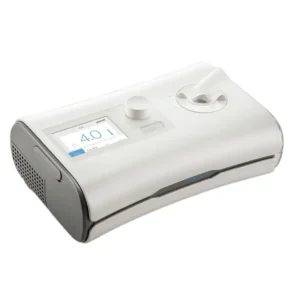
Treatments vary, and a healthcare specialist should discuss your options, which may include assisting you in selecting a CPAP machine and its settings for your needs. CPAP (Corrective Positive Airway Pressure) machines are devices that regulate airflow and pressure for an individual suffering from sleep apnea
Not all those suffering from sleep apnea will use a CPAP machine.
- Avoiding and minimising alcohol intake, sedatives and smoking should be pursued routinely. Different types of alcoholic drinks may also effect you in different ways.
- Often losing some weight can improve sleep. The body mass index (BMI) target of 25 or below is recommended, or at least a 3 point loss of BMI if you are considered as overweight.
- Sleeping on your side, or sleeping more upright can also help but may be difficult to maintain in the long term. Special pillows and cushions for aiding Sleep Apnea are a consideration.
- How open the nose is referred to as nasal patency and is a key factor. Common anti-allergy sprays, breath rite nasal strips may be part of a treatment.
- Mouthguards for sleep apnea are referred to as mandibular advancement splints.
These are an established treatment for milder cases of sleep apnea and are usually effective in controlling ‘pure’ snoring, mild sleep apnea, and positional sleep apnea which is caused by sleeping on your back.
- CPAP machines will have various settings depending on the patient.
Some automatically regulate the airflow during rest, while some are set to a flat pressure throughout. Acquiring a CPAP machine usually is done through medical recommendation, as a study of your sleep patterns and how badly apnea interferes with rest needs to be conducted. Once you know what’s needed, there are many options available to an individual.
CPAP Machines + ResMed Australia ResMed CPAP machines will typically have a multitude of options which respond to how and when a person snores.
Humidifiers, a common feature, provide moisture to airflow so as not to cause dryness in the throat.
Adjustment levels will be available for each machine, though what each apparatus is capable of will vary based on the type purchased.
CPAP machines can either be portable or stationary and usually has a price range of $500-$2000.
- Nasal surgeries, tonsillectomy, adenoidectomy, turbinectomy may also be an appropriate treatment.
Surgery may be required or even appropriate, where there is a clear target identified by a specialist ENT surgeon such as enlarged tonsils, or a blocked nose.
Generally oropharyngeal surgery (such as UPPP) is not recommended in the first instance without trialing other therapies first, as there is a chance of recurring snoring and apnea after UPPP surgery.
Jaw and mandibular advancement variants are other options.