Glioblastoma, previously known as glioblastoma multiforme (GBM), is the most aggressive and most common type of cancer as a tumour that originates in the brain and can present symptoms similar to a stroke.
Glioblastoma can happen at any age, but it tends to happen more often in older, male adults.
Symptoms depend on where in the brain the tumour is. Because glioblastomas grow quickly, pressure on the brain usually causes the first symptoms.
These may include headaches that keep getting worse, nausea and vomiting, blurred or double vision, trouble speaking, altered sense of touch, and seizures. There also may be trouble with balance, coordination, and moving parts of the face or body.
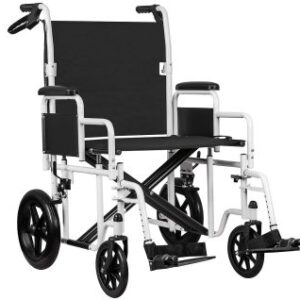
Care for someone with GBM will most likely require the assistance of mobility, bathroom and general home care aids to assist with muscle strength and coordination difficulties.
Glioblastomas are classified as grade 4 brain tumours as based on the World Health Organisation (WHO) grading system. Grade 1 and 2 tumours are usually not cancerous and can grow quite slowly. But grade 3 and 4 tumours are more advanced.
Currently, there are no known methods to prevent glioblastoma. It is the case for most gliomas, that unlike some other forms of cancer, they happen without previous warning and there are currently no known ways to prevent them.
Studies indicate that it is the second-most common central nervous system tumour after meningioma and that it occurs more commonly in males than females, with the median age at diagnosis as 64.
Astrocytomas are a type of brain cancer. Both astrocytomas and glioblastomas start in brain cells called astrocytes. These cells help give your brain the nutrients it needs. Glioblastomas used to be considered grade 4 astrocytomas, which meant that they were advanced, aggressive astrocytomas. Glioblastoma is usually very aggressive, which means it can grow fast and spread quickly.
Scientists changed the classification because they found there are molecules in the glioblastoma that aren’t in an astrocytoma. Although the classification may have changed, both glioblastomas and grade 4 astrocytomas are very aggressive brain tumours.
If you think you may have glioblastoma symptoms, have your doctor immediately refer you to a neurologist (a doctor who specialises in diagnosing and treating brain disorders).