Bathroom, bath, shower, and toilet equipment designed for older individuals or those with disabilities is essential for ensuring safety, accessibility, and independence in the bathroom.
It’s essential to consider the specific needs and preferences of the user when selecting bathroom equipment for older or disabled individuals.
Some modifications may require professional installation, so it’s a good idea to consult with occupational therapists or professionals who specialize in accessible design to ensure that the bathroom is safe and comfortable for the individual’s unique requirements.
Here are some common types of equipment and modifications available:
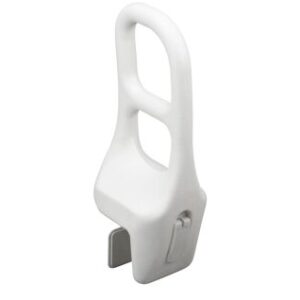
Grab Bars: These sturdy bars can be installed on bathroom walls near the toilet, shower, and bathtub to provide support and stability when standing up, sitting down, or moving in and out of the bathing area.
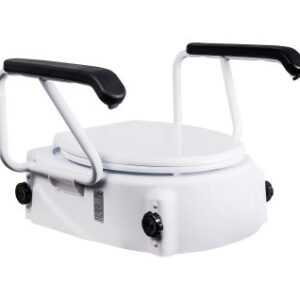
Raised Toilet Seats: These seats are designed to fit on top of existing toilets, raising the height of the seat to make it easier for individuals with mobility issues to sit down and stand up.
Toilet Safety Frames and Rails: These frames or rails can be attached to the toilet to provide additional support and stability while using the toilet.
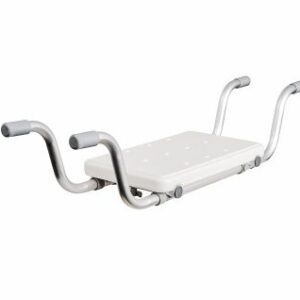
Shower Seats and Transfer Benches: These provide a stable and comfortable place to sit while showering, reducing the risk of falls. Transfer benches have one end positioned outside the tub or shower for easy entry.
Non-Slip Mats and Treads: These help prevent slips and falls by providing a non-slip surface in the shower, bathtub, and on bathroom floors.
Bidets: Bidet attachments or seats can help with personal hygiene for individuals with limited mobility.
Toilet Safety Frames and Rails: These frames or rails can be attached to the toilet to provide additional support and stability while using the toilet.
Raised Toilet Seats: These seats are designed to fit on top of existing toilets, raising the height of the seat to make it easier for individuals with mobility issues to sit down and stand up.
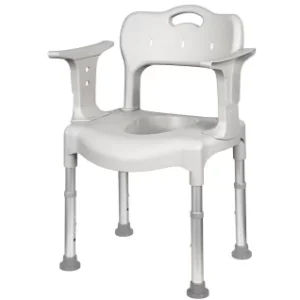
Commodes: These portable chairs with a hole for a waste container can be placed anywhere in the home for convenience, especially when a regular bathroom is not easily accessible.
Handheld Showerheads: A handheld showerhead on a flexible hose allows users to direct the water flow precisely where it’s needed. This can be especially useful for seated showering and rinsing hard-to-reach areas.
Shower Curtains and Splash Guards: Ensure that the shower has an appropriate curtain or splash guard to prevent water from spilling onto the bathroom floor, reducing the risk of slips.
Soap and Shampoo Dispensers: Wall-mounted soap and shampoo dispensers eliminate the need to handle bottles while showering, making it more convenient and reducing the risk of spills.
Shower Safety Mats: These mats are placed outside the shower to provide a secure and dry surface for stepping in and out of the shower.
Waterproof Cast and Bandage Covers: These are essential for individuals with casts, wounds, or bandages, allowing them to protect these areas while showering.
Shower Handrails and Grab Poles: In addition to grab bars on the walls, some individuals may benefit from vertical grab poles or handrails within the shower area to assist with balance and support.
Temperature Control Devices: Install anti-scald devices or thermostatic mixing valves to regulate water temperature and prevent burns or scalds.
Accessible Showers: If possible, consider remodelling the bathroom to create a curb-less, roll-in shower with wide door openings for wheelchair access. These showers typically have sloped floors to allow water to drain properly.